Decolonisation in the 21st Century: A Path Towards Equity and Inclusion
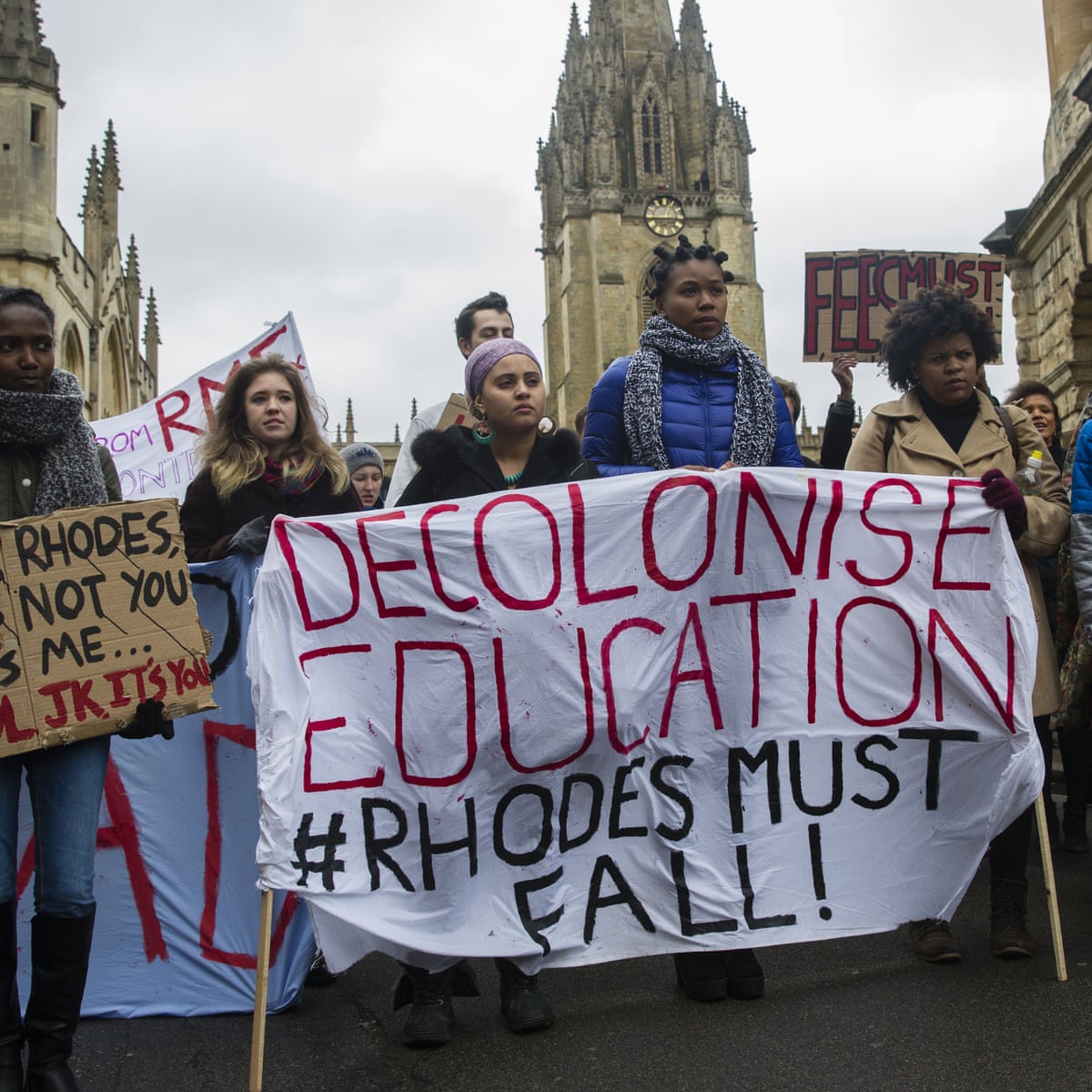
Decolonisation is a term historically associated with the dismantling of colonial empires and the liberation of nations under colonial rule. In the 21st century, however, decolonisation has taken on new dimensions, focusing on the systemic changes needed to address the lingering legacies of colonialism in various aspects of society, including education, culture, politics, and economics. This blog post explores what decolonisation means today and how it can be pursued to foster a more equitable and inclusive world.
Understanding Modern Decolonisation
In contemporary discourse, decolonisation extends beyond the political independence of countries to include the deconstruction of colonial ideologies and structures that persist in societies worldwide. The different types of decolonisation explored in this blog post involves:
Cultural Decolonisation: Reclaiming and revitalising indigenous cultures, languages, and traditions that were suppressed or eradicated under colonial rule.
Educational Decolonisation: Reforming curricula to include diverse perspectives, especially those of historically marginalised communities, and challenging Eurocentric narratives.
Political Decolonisation: Restructuring governance systems to include and represent the voices and interests of all community members, particularly those previously excluded.
Decolonisation in Education
One of the most prominent arenas for modern decolonisation is education. Schools and universities play a crucial role in shaping societal values and knowledge. Thus, decolonising education is essential for fostering a more inclusive and accurate understanding of history and current affairs.
Curriculum Reform: Many educational institutions are revising their curricula to incorporate a wider range of perspectives. This includes studying the contributions and histories of indigenous peoples, people of colour, and other marginalised groups. For example, courses on colonial history are increasingly being designed to highlight the impacts of colonisation from the perspectives of the colonised, rather than solely from the colonisers' viewpoint.
Institutional Change: Universities are also re-evaluating the symbols and names that adorn their campuses. This has led to movements to rename buildings and remove statues that celebrate colonial figures, as part of a broader effort to create environments that are welcoming to all students. Bristol University has become a focal point in this ongoing effort, particularly with its recent referendum on changing the name of the Wills Memorial Building in efforts to move past its colonial origins and its initiatives to support marginalised communities.
Decolonisation in Culture
Cultural decolonisation involves reclaiming and celebrating the traditions, languages, and practices that were suppressed under colonial rule. This can be seen in various forms:
Language Revitalisation: Many indigenous and minority communities are working to revive languages that were eroded by colonial education systems. This effort is vital for preserving cultural heritage and fostering a sense of identity and continuity among younger generations.
Art and Literature: Decolonising culture also means promoting and appreciating the art and literature of marginalised communities. This not only provides a platform for diverse voices but also enriches the broader cultural landscape.
Political Decolonisation
Decolonising political systems involves creating more inclusive and representative governance structures. This means ensuring that the voices of historically marginalised communities are heard and that their interests are adequately represented.
Inclusive Governance: Efforts to decolonise politics often focus on increasing representation for indigenous peoples and other marginalised groups in political institutions. This might involve reforms to electoral systems, affirmative action policies, and the creation of new political spaces for these communities.
Policy Reforms: Decolonising politics also requires policy reforms that address historical injustices and promote equity. This can include everything from land rights legislation to reparations for communities affected by colonial policies.
Conclusion
Decolonisation in the 21st century is a multifaceted process that requires a holistic approach. It involves rethinking and restructuring various aspects of society to address the enduring impacts of colonialism. By embracing cultural, educational and political decolonisation, we can work towards a more just and inclusive world. The journey is complex and ongoing, but each step taken brings us closer to a future where all voices are heard and valued.


Comments
Post a Comment