Breaking Barriers: How the Lack of Diversity in Internships Holds Students Back
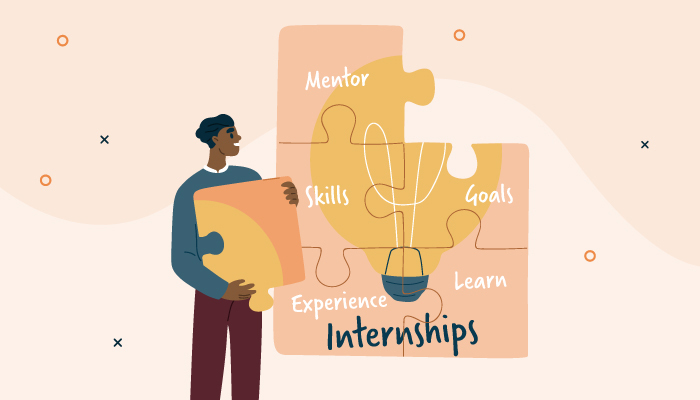
As a university student, I've spent countless hours polishing my CV, crafting cover letters, and preparing for interviews in the hope of landing an internship. Despite my best efforts, I've faced rejection after rejection. It's disheartening to see opportunities slip away, especially when I know I have the skills and dedication to succeed. My experience is not unique; many students, particularly those from underrepresented backgrounds, face similar challenges. This blog post explores why a lack of diversity in internships can make it harder for students to gain these vital opportunities and what can be done to address this issue.
The Importance of Internships
Internships are often seen as a crucial stepping stone in a student's career. They provide practical experience, industry connections, and a chance to apply academic knowledge in real-world settings. For many, an internship can be the difference between landing a job after graduation and struggling to enter the workforce. However, gaining an internship is not always a level playing field.
The Diversity Dilemma
Despite the increasing awareness of the importance of diversity and inclusion, many industries still struggle to provide equal opportunities for all students. This lack of diversity manifests in several ways:
Bias in Recruitment Processes:
Unconscious bias can affect hiring decisions, often to the disadvantage of students from minority backgrounds. Studies have shown that applicants with "ethnic-sounding" names are less likely to be called for interviews compared to their counterparts with more "traditional" names.
Limited Networks:
Many internships are secured through networking and personal connections. Students from underrepresented groups may lack access to these networks, putting them at a disadvantage.
Financial Barriers:
Unpaid internships are still prevalent in many industries. This practice disproportionately affects students from lower socio-economic backgrounds who cannot afford to work without pay.
Lack of Role Models:
The absence of diverse role models in senior positions can discourage students from applying for internships in certain fields, fearing they won't fit in or be accepted.
The Impact on Students
The lack of diversity in internships has significant implications for students:
Missed Opportunities:
Students from underrepresented backgrounds miss out on valuable opportunities to gain experience and build their resumes, making it harder to compete in the job market.
Increased Stress and Disillusionment:
Repeated rejections can lead to stress, anxiety, and a sense of disillusionment. Students may start to doubt their abilities and question whether they belong in their chosen field.
Widening the Gap:
The lack of diverse internship opportunities perpetuates existing inequalities. Those who secure internships gain an advantage, while those who don't fall further behind.
Addressing the Issue
To create a more inclusive and equitable environment for all students, several steps can be taken:
Blind Recruitment:
Implementing blind recruitment processes, where personal information is removed from applications, can help reduce bias and ensure candidates are assessed solely on their skills and experience.
Expand Networks:
Universities and industries should work together to create networking opportunities for underrepresented students. Mentorship programs can also provide valuable guidance and support.
Paid Internships:
Offering paid internships ensures that all students, regardless of their financial situation, can afford to gain valuable work experience.
Promote Diversity and Inclusion:
Companies should actively promote diversity and inclusion within their workplaces. This includes providing diversity training, setting diversity targets, and creating a supportive environment for all employees.
Scholarships and Grants:
Providing financial assistance to students seeking internships can help alleviate the financial burden and make internships more accessible.
Conclusion: A Call to Action
My personal journey in seeking internships has been fraught with challenges, but it has also highlighted the urgent need for greater diversity and inclusion in these opportunities. By addressing the barriers that underrepresented students face, we can create a more equitable and inclusive environment that allows all students to thrive. It's time for industries, universities, and society as a whole to take meaningful action and ensure that every student has a fair chance to succeed.


Comments
Post a Comment