Taylor Swift and White Feminism: An Insight
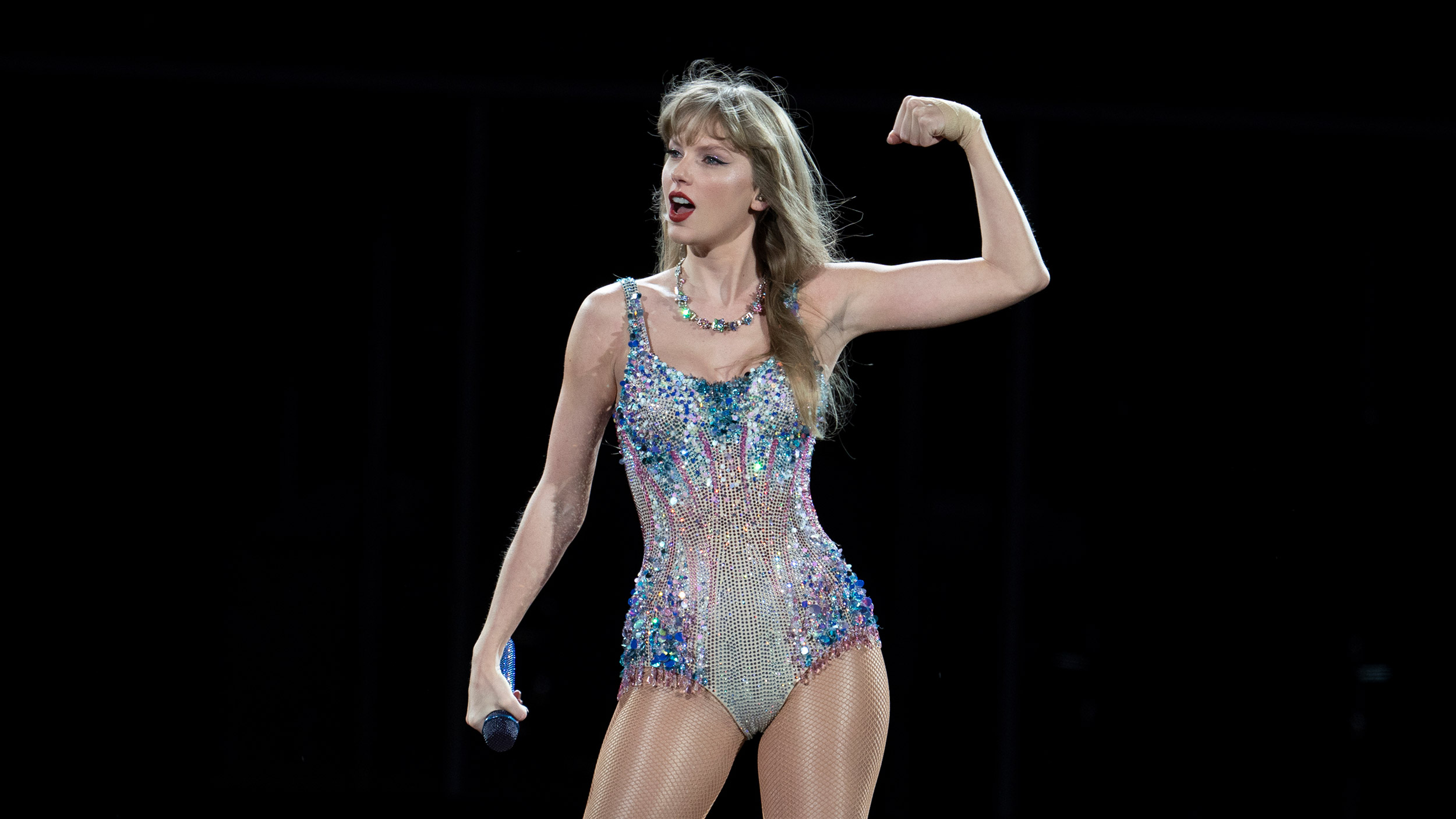
Taylor Swift has undergone a remarkable renaissance over the past few years, cementing her status as one of the most influential figures in contemporary music and culture. With the massive success of her Eras Tour, the strategic re-recording of her early albums in a battle against music executive Scooter Braun, and her recognition as Time's Person of the Year in 2023, Swift has continually proven her resilience and business acumen. Her recent inclusion on the Forbes Billionaire List and her impressive collection of 14 Grammy Awards further underscore her unparalleled influence in the industry.
Understanding White Feminism
Before diving into Swift's role in this discourse, it's essential to define white feminism. White feminism is a term used to describe a form of feminism that focuses on the struggles of white women while often ignoring the intersectional challenges faced by women of colour, LGBTQ+ individuals, and other marginalised groups. It is criticised for promoting a narrow view of gender equality that fails to address the broader, systemic issues of racism, classism, and other forms of oppression.
Taylor Swift's Feminist Evolution
Taylor Swift's public feminist awakening began around the release of her 2014 album, 1989. This period marked a significant shift in her public persona, as she began to openly discuss issues of sexism and gender inequality. Songs like "Blank Space" and "Bad Blood" were seen as anthems of female empowerment, and Swift often spoke about the double standards faced by women in the music industry.
Her most explicit feminist declaration came with the release of "The Man," a track from her 2019 album, Lover. In the song and its accompanying music video, Swift imagines how different her life and career would be if she were a man, highlighting the gendered double standards she has experienced. This move was celebrated by many fans as a bold statement against sexism.
The Critique: White Feminism in Swift's Advocacy
Despite these efforts, Swift's feminist advocacy has not been without criticism. Many argue that her brand of feminism often centres on her own experiences as a wealthy, white woman, lacking the intersectional approach necessary to address the diverse challenges faced by women globally.
1. Lack of Intersectionality
One of the main criticisms of Swift's feminism is its lack of intersectionality. While she has spoken out against sexism, her advocacy often overlooks the compounded struggles of women of colour, LGBTQ+ individuals, and those from lower socioeconomic backgrounds.
2. Conflicts and Controversies
Swift's public feuds have also highlighted her perceived alignment with white feminism. Her disputes with Kanye West and Kim Kardashian, for example, have been criticised for framing her as the victim in a racially charged narrative. The song 'thanK you aIMee', speculated to be about Kim Kardashian, adds another layer to this complicated narrative, drawing attention to the personal and public battles Swift has navigated.
Swift's relationships with emerging artists like Olivia Rodrigo have also sparked controversy. Rodrigo, who has cited Swift as a major influence, faced backlash when she credited Swift as a co-writer on her song "deja vu" after similarities were noted between the bridge of "deja vu" and Swift's "Cruel Summer." While some saw this as a gesture of support from Swift, others viewed it as a power play that overshadowed Rodrigo's achievements.
Critics argue that these conflicts have sometimes overshadowed the legitimate grievances and perspectives of women of colour.
3. Cultural Appropriation
Additionally, Swift has faced accusations of cultural appropriation. Her "Shake It Off" music video, which features her performing various dance styles including twerking, was seen by some as appropriating Black culture. Earl Sweatshirt, a rapper, argues that Swift 'perpetuated black stereotypes to the same demographic of white girls who hide their prejudice by proclaiming their love of the culture'. Such instances reveal the complexities and potential insensitivities in her approach to inclusivity and representation.
Political Impact.
Swift's engagement with political issues has also become a significant aspect of her public persona. Identifying as a pro-choice feminist, she has been a founding signatory of the Time's Up movement against sexual harassment and has openly criticised the US Supreme Court's decision to end federal abortion rights in 2022. Swift advocates for LGBTQ+ rights, calling for the passing of the Equality Act, which prohibits discrimination based on sex, sexual orientation, and gender identity. She has performed during WorldPride NYC 2019 at the Stonewall Inn and has donated to LGBTQ+ organisations such as the Tennessee Equality Project and GLAAD.
A supporter of the March for Our Lives movement and gun control reform in the US, Swift is a vocal critic of white supremacy, racism, and police brutality. Following the George Floyd protests, she donated to the NAACP Legal Defense and Educational Fund and the Black Lives Matter movement, called for the removal of Confederate monuments in Tennessee, and advocated for Juneteenth to become a national holiday. In 2020, Swift urged her fans to check their voter registration ahead of elections, which resulted in 65,000 people registering to vote within one day of her post, and endorsed Joe Biden and Kamala Harris in the US presidential election. She has openly criticised former president Donald Trump.
To her credit, Swift has shown signs of growth and a willingness to listen to her critics. Her 2020 documentary, Miss Americana, reflects on her political awakening and acknowledges her past missteps.
Steps Toward Inclusivity
For Swift's feminism to be truly impactful, it must embrace a more intersectional approach. This includes:
Amplifying Marginalised Voices: Swift can use her platform to highlight and support the voices and work of women of colour, LGBTQ+ activists, and other marginalised groups.
Education and Awareness: Engaging with and educating her audience on the importance of intersectionality in feminist advocacy.
Collaborations and Solidarity: Partnering with activists and organisations that work across various intersectional lines to address broader issues of inequality and injustice.
Taylor Swift's journey into feminist advocacy represents a significant step forward in mainstream discussions about gender equality. However, her approach has often mirrored the limitations of white feminism. By expanding her focus to include the diverse and intersectional experiences of all women, Swift has the potential to foster a more inclusive and effective feminist movement. As fans and critics alike, it is crucial to hold our cultural icons accountable while also recognising their capacity for growth and change.
My favourite Swift song is 'Style', that went number one on my 2014 Spotify list
Daniel/danieljcbs


Comments
Post a Comment