Representation in Media: Why It Matters and How It Shapes Us
Representation in Media: Why It Matters and How It Shapes Us
 |
| I May Destroy You - available on BBC iPlayer |
In today's interconnected world, the media we consume plays a pivotal role in shaping our societal perceptions and self-identity. Whether it's the latest binge-worthy series, blockbuster film, or even a viral social media campaign, the representation of diverse identities in media is more important than ever. Proper representation can validate experiences, foster empathy, and challenge stereotypes, while a lack of it can perpetuate misconceptions and reinforce harmful biases.
The Importance of Diverse Representation
At its core, representation in media involves reflecting the diverse tapestry of society. This includes gender, race, sexuality, disability, and many other identities. When people see themselves and their experiences accurately portrayed on screen, it can have profound effects on their self-esteem and sense of belonging. Conversely, when media fails to represent certain groups or does so in a stereotypical manner, it can lead to feelings of exclusion and misrepresentation.
Gender Representation
Gender representation in media has seen significant strides in recent years. Shows like Killing Eve and Fleabag have garnered praise for their complex female leads who defy traditional gender roles. These characters are multi-dimensional, flawed, and, most importantly, human. However, many other shows still lag behind, often relegating women to secondary roles or portraying them through the lens of male fantasies.
Race Representation
The impact of race representation in media is equally critical. Historically, people of colour have been either underrepresented or depicted through harmful stereotypes. However, shows like I May Destroy You and Insecure have been lauded for their authentic portrayal of Black experiences. These shows not only provide visibility but also highlight the nuances and diversity within Black communities. On the flip side, some shows and films continue to perpetuate racial stereotypes, failing to move beyond tokenism or one-dimensional portrayals.
Sexuality Representation
Representation of LGBTQ+ identities has also evolved, albeit slowly. Series like Sex Education and Pose have broken new ground by featuring a range of queer characters whose storylines are integral to the plot. These shows have been praised for their realistic and respectful depiction of LGBTQ+ lives. However, many media outlets still struggle with inclusivity, often relegating queer characters to minor roles or employing them merely as plot devices.
The Impact of Proper Representation
When media represents marginalised communities accurately and respectfully, it can have a ripple effect on society. Proper representation can:
Validate Experiences: Seeing oneself reflected in media can validate one’s experiences and struggles. It tells viewers that their stories matter and that they are not alone.
Foster Empathy: Diverse representation can help break down barriers of understanding and foster empathy among viewers from different backgrounds.
Challenge Stereotypes: Authentic portrayals can challenge and dismantle harmful stereotypes, encouraging more nuanced and accurate perceptions.
Inspire Change: Media has the power to inspire social change by raising awareness about issues faced by marginalised communities and prompting conversations about equity and justice.
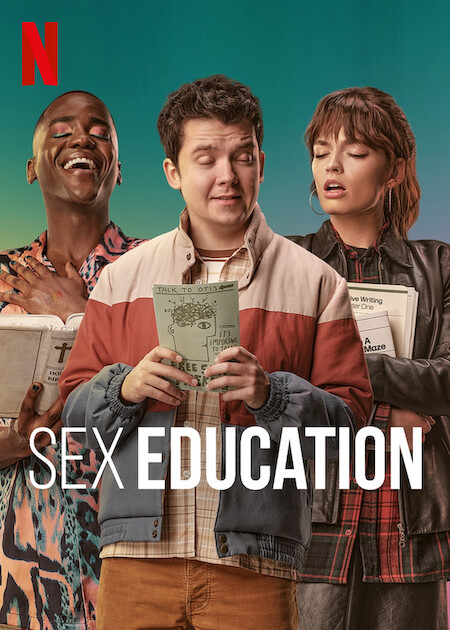 |
| Sex Education - available on Netflix |
Shows That Get It Right
I May Destroy You: Michaela Coel’s I May Destroy You is a prime example of representation, dealing with issues of race, consent, and trauma through a deeply personal and authentic lens.
Pose: Pose celebrates the lives of trans women of colour and the ballroom culture of the 1980s and 1990s, offering a rare and powerful depiction of LGBTQ+ history and the experiences shared by the community.
Sex Education: This show tackles a range of issues including sexuality, gender identity, and race with sensitivity and humour, making it a standout in inclusive storytelling.
While progress has been made, many shows still fall short in their representation efforts. Some perpetuate stereotypes or resort to tokenism, failing to provide depth and authenticity to their diverse characters. Such portrayals can reinforce existing prejudices and contribute to the marginalisation of underrepresented groups.
 |
| Pose - available on Disney+ and Prime Video |
How to Improve Representation
Inclusive Writing Rooms: Diversity behind the scenes is just as important as on screen. Writers' rooms should include people from the communities being portrayed to ensure authentic storytelling.
Consultation with Experts: Engaging with cultural consultants and sensitivity readers can help avoid harmful stereotypes and inaccuracies.
Focusing on Nuance: Characters from marginalised communities should be multi-dimensional, with their identities influencing but not solely defining their storylines.
Supporting Diverse Creators: Elevating the voices of creators from diverse backgrounds can lead to more authentic and varied narratives.
Representation in media is not just about visibility; it's about authenticity, respect, and inclusion. By showcasing diverse identities accurately and thoughtfully, media can help build a more empathetic and understanding society. It's not just about who is seen on screen, but how they are seen. As consumers, supporting media that gets it right can drive demand for better representation, paving the way for a more inclusive future.
Invest in us, support a black business :)
Daniel / danieljcbs


Comments
Post a Comment