Love Island: Exploring Diversity and Online Hate
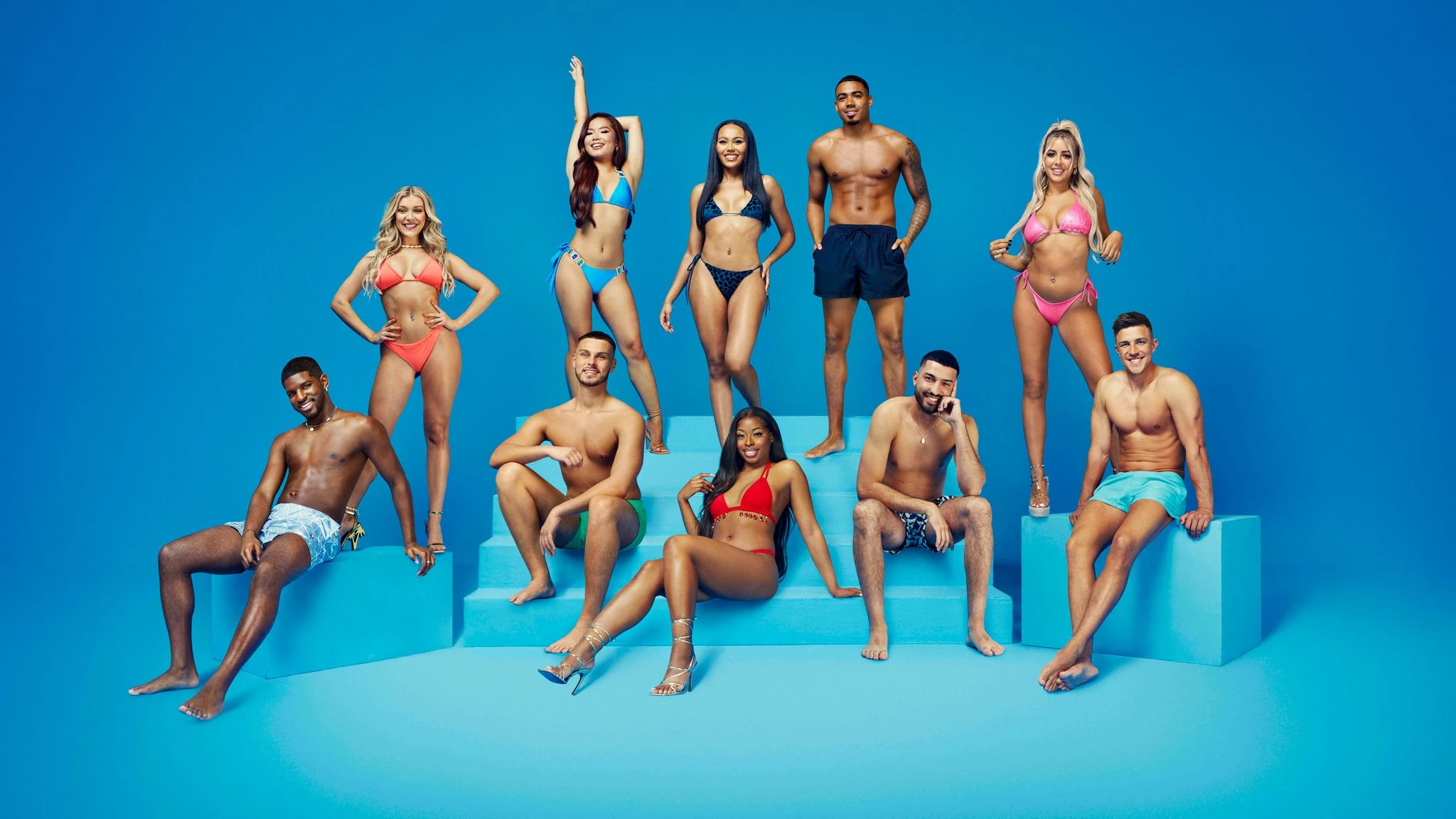
Love Island, the wildly popular British reality TV show, has become a cultural phenomenon, captivating millions with its drama, romance, and sun-soaked escapades. However, behind the glamorous facade lies a host of issues, particularly concerning the representation and treatment of contestants, especially those from minority backgrounds. This blog post will delve into these issues, examining the lack of people of colour (POC) representation, online hate comments, and the broader implications for the contestants involved. During my years as a dedicated Love Island viewer, I've identified two critical issues that stand out: the show's lack of diversity and the online hate directed at contestants. These topics are essential when discussing the negative aspects of Love Island and their broader impact on society.
The Diversity Dilemma
Lack of POC Representation
One of the most glaring issues with Love Island is its historically poor representation of POC contestants. Despite the UK's diverse population, the show's lineup has often been predominantly white, with POC contestants frequently being in the minority. This lack of diversity extends to various ethnic groups, notably East and South Asians, who have been almost entirely absent from the villa.
Black Women and the Villa
Black women, in particular, have faced significant challenges on Love Island. Historically, they have often been overlooked by other contestants, reinforcing negative stereotypes and highlighting the pervasive issues of colourism and racial bias. For instance, Yewande Biala, a former contestant, openly discussed feeling "invisible" during her time on the show.
However, contestants like Indiyah Polack and Whitney Adebayo have challenged this narrative. Indiyah, with her confident personality and charm, garnered attention from multiple male contestants, breaking the stereotype that black women are less desirable. Similarly, Whitney's presence and interactions have shown that black women can, do and will captivate attention in the villa.
Asian Representation
The representation of Asian contestants has been even more sparse. Ruchee Gurung made history as the first East Asian contestant on Love Island, but her presence was long overdue. The absence of East and South Asian contestants from previous seasons raises questions about the show's commitment to reflecting the UK's diverse society.
The Burden of Representation
For POC contestants, the burden of representation can add an additional layer of stress. They are often seen not just as individuals but as representatives of their entire community, carrying the weight of challenging stereotypes and fighting for visibility. This can be an immense pressure, especially in an environment as intense and scrutinised as Love Island.
Challenging the Status Quo
Despite these challenges, some contestants have used their platform to effect change and challenge the status quo. Indiyah and Whitney, for example, have shown that black women can be central figures in the Love Island narrative, receiving genuine interest and forming strong connections. Their success stories provide a glimmer of hope and a blueprint for more inclusive representation in future seasons.
The show's producers must also take active steps to ensure a more diverse and inclusive cast. This includes better representation of different ethnic groups, providing support for contestants facing online abuse, and fostering an environment where all participants feel valued and respected.
The Impact on Contestants
Online Hate and Mental Health
The fame that comes with appearing on Love Island can be a double-edged sword. While contestants gain significant exposure and opportunities, they are also subjected to intense scrutiny and online hate. The online vitriol directed at Love Island contestants raises a critical question: has it gone too far? Social media platforms can become a breeding ground for toxic comments and cyberbullying, with contestants facing relentless criticism over their appearance, behaviour, and personality. Malin Andersson, a former contestant, has been vocal about the abuse she received, including body shaming and personal attacks. Former contestants like Sophie Gradon and Mike Thalassitis tragically took their own lives, highlighting the severe impact of online abuse and the mental health pressures associated with reality TV fame. These incidents have sparked conversations about the duty of care that production companies owe to their participants.
Recent examples illustrate this issue vividly. Georgia Steele, who appeared on the All Stars season, faced a barrage of online hate comments, regardless of how questionable her motives and antics were on the show. Similarly, Uma Jammeh from the latest season was subjected to relentless abuse online. These incidents highlight a disturbing trend: despite awareness and advocacy for better online behaviour, contestants continue to be victims of intense scrutiny and malicious attacks.
The Psychological Impact
Online hate comments can have a profound psychological impact on individuals. The anonymity of the internet often emboldens people to say things they would never express in person. For reality TV contestants, this can result in:
Anxiety and Depression: Constant negative feedback and personal attacks can lead to severe anxiety and depression. The pressure to maintain a certain image and the fear of public backlash can be overwhelming.
Low Self-Esteem: Repeated negative comments can erode self-esteem, making individuals question their worth and capabilities.
Isolation: The fear of judgment and criticism can cause individuals to withdraw from social interactions, leading to feelings of isolation and loneliness.
Love Island's Response
In response to the increasing awareness of the mental health challenges faced by contestants, Love Island has implemented several measures to provide better support. These include:
Psychological Support: Providing access to mental health professionals before, during, and after the show.
Social Media Training: Educating contestants on how to handle social media and manage online abuse.
Aftercare: Offering continued support to contestants after the show ends, helping them navigate their newfound fame and the associated pressures.
What Can Be Done Better?
Love Island can take several steps to better protect its contestants from online hate while also encouraging diversity:
Protecting Islanders from Online Hate
Enhanced Psychological Support:
Pre-Show Counseling: Provide comprehensive mental health assessments and counseling before contestants enter the villa to ensure they are mentally prepared for the pressures of the show.
During the Show: Offer continuous access to mental health professionals who can provide support and counseling throughout the duration of the show.
Post-Show Aftercare: Extend psychological support for a significant period after the show ends, helping contestants to cope with sudden fame and online scrutiny.
Social Media Management Training:
Education on Online Behavior: Train contestants on how to manage their social media profiles, including handling negative comments and protecting their mental well-being online.
Professional Management: Provide access to social media managers who can help moderate and manage contestants' profiles, filtering out abusive comments and interactions.
Stricter Moderation Policies:
Collaboration with Social Media Platforms: Work closely with social media companies to implement stricter moderation policies that quickly identify and remove hate speech and abusive comments directed at contestants.
Report and Block Features: Encourage contestants and viewers to actively report abusive comments and users, helping to create a safer online environment.
Public Awareness Campaigns:
Anti-Bullying Campaigns: Launch campaigns that educate the public about the impact of online bullying and the importance of respectful online behaviour. Campaigns such as #BeKind should be broadcasted wider; viewers should #BeKind online AND offline too.
Support Networks: Promote resources and support networks for both contestants and viewers who may be struggling with online abuse.
Encouraging Diversity
Inclusive Casting Processes:
Diverse Recruitment: Ensure casting calls and recruitment processes actively seek out contestants from diverse backgrounds, including different races, ethnicities, genders, and sexual orientations.
Representation Goals: Set specific goals for diverse representation in each season, aiming to reflect the UK's demographic diversity.
Storyline Diversity:
Balanced Screen Time: Ensure that contestants from diverse backgrounds receive balanced screen time and are portrayed in a positive and multi-dimensional manner.
Highlight Diverse Experiences: Include storylines that highlight and celebrate the diverse cultural backgrounds and experiences of contestants.
Feedback and Improvement:
Regular Reviews: Conduct regular reviews and solicit feedback from viewers and contestants about the show’s diversity and representation efforts.
Advisory Boards: Create advisory boards with diversity and inclusion experts to continuously improve the show's practices and policies.
By implementing these measures, Love Island can create a safer, more inclusive environment that not only protects the well-being of its contestants but also celebrates and reflects the diverse society it aims to entertain.
To Conclude our time at the Villa
Love Island continues to be a cultural reset, but it faces significant issues that must be addressed to ensure it evolves positively. The lack of diversity, particularly regarding the representation of POC contestants, remains a glaring problem. While strides have been made by contestants like Indiyah Polack and Whitney Adebayo, whose charm and presence have challenged negative stereotypes, the show still needs to reflect the UK's rich cultural diversity. The underrepresentation of East and South Asian contestants, like the overdue inclusion of Ruchee Gurung, highlights the need for a more inclusive casting process.
Equally concerning is the online hate directed at contestants. The intense scrutiny and vitriol they face can have devastating psychological effects, leading to anxiety, depression, and in severe cases, tragic outcomes like those of Sophie Gradon and Mike Thalassitis. Despite measures taken by the show to provide mental health support and social media training, the problem persists. Recent cases, such as the abuse faced by Georgia Steele and Uma Jammeh, underscore the urgent need for more robust protections and better online behaviour advocacy.
As viewers, we play a critical role in shaping the reality TV landscape. By demanding better representation and fostering a more inclusive and respectful environment, both on-screen and online, we can help ensure that Love Island reflects the diversity of its audience and treats all its contestants with the dignity they deserve. It is time for both the show’s producers and its audience to step up, promoting a culture that values diversity and condemns online hate. Only then can we hope to create a more inclusive and supportive space for everyone involved.
Daniel / danieljcbs
A hot new bombshell just entered the villa x


Really informative!
ReplyDelete